
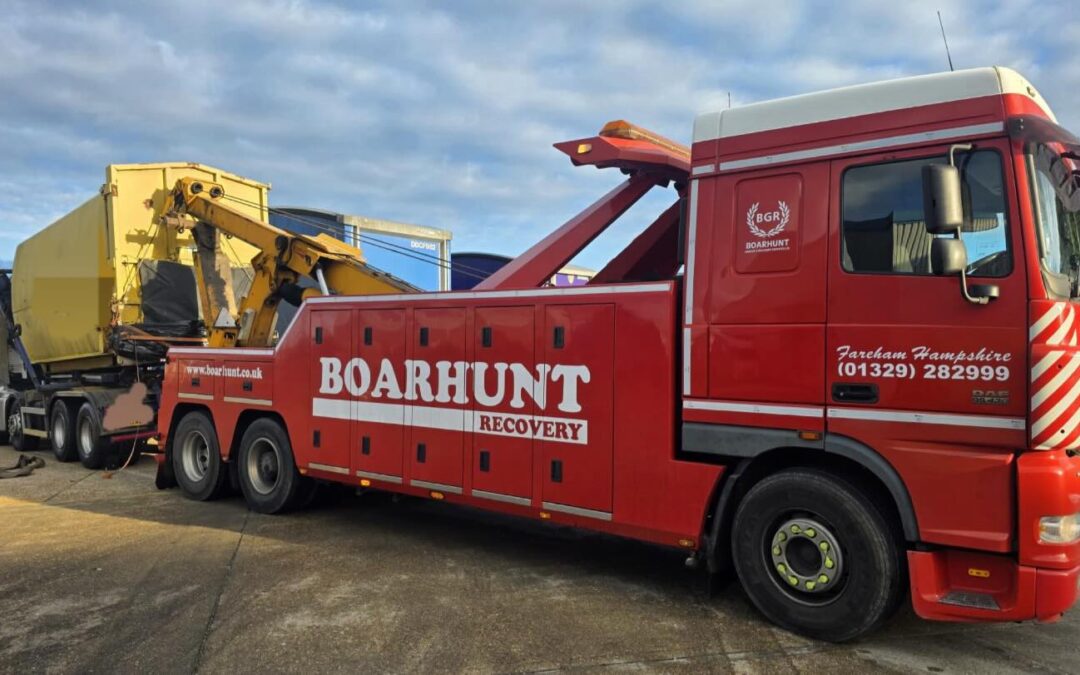
When people think about roadside assistance, they often picture a tow truck collecting a broken-down car and taking it to a garage. While that’s true for many call-outs, recovering larger vehicles is a very different process altogether. Incidents involving lorries, buses, or construction machinery require a far more considered approach.
These specialist operations are designed for vehicles that are simply too large or heavy to be moved using standard methods. They rely on experienced teams, careful planning, and purpose-built equipment to ensure everything is handled safely and efficiently.
More Than Just Towing
Recovering large commercial vehicles isn’t as simple as attaching a tow and driving away. The size, weight, and position of the vehicle all play a major role in determining how the job is approached. In many cases, the vehicle may be stuck off-road, overturned, or blocking a busy carriageway. Situations like these demand specialist knowledge and equipment to avoid further damage and keep everyone involved safe — from the recovery team to other road users.
What Does Specialist Recovery Involve?
This type of operation focuses on safely removing vehicles that can’t be moved using conventional recovery trucks. It may involve lifting, stabilising, winching, or carefully repositioning a vehicle before it can be transported. Typical scenarios include:
- Large lorries or articulated vehicles
- Buses and coaches
- Construction or agricultural machinery
- Vehicles that have left the road or tipped over
Each situation is different, which is why a tailored approach is essential.
How the Process Works
Although no two call-outs are the same, most specialist recoveries follow a structured process to keep things controlled and safe.
Assessment
The team begins by assessing the scene. This includes the condition of the vehicle, its location, traffic flow, and any potential hazards. Understanding whether a vehicle is unstable, obstructing the road, or damaged is key before any action is taken.
Selecting the Right Equipment
Based on the assessment, the appropriate equipment is chosen. This might include cranes for lifting, winches for pulling, or multi-axle recovery trucks capable of handling significant weight. The goal is always to use the safest and most efficient method.
Recovery and Stabilisation
Before any movement takes place, the vehicle is stabilised and secured. Clear communication and coordination between operators is critical at this stage to ensure the vehicle is recovered without causing further risk or damage.
Clearing the Scene
Once the vehicle has been moved to a safe location, the area is checked for hazards such as debris or fluid spills. Ensuring the road is left safe for other drivers is an important part of the job.
Why These Services Are So Important
Large vehicles involved in breakdowns or collisions can cause serious disruption if not dealt with quickly and professionally. Specialist recovery services help keep roads clear, reduce traffic delays, and minimise risk to other road users.
For businesses in transport, logistics, and construction, efficient recovery also means reduced downtime and less impact on operations. Getting vehicles moved safely and promptly can make a significant difference.
Final Thoughts
Recovering large vehicles is a highly skilled and carefully managed process that most people never see — but it plays a vital role in keeping roads moving and people safe. With the right equipment, experience, and planning, even the most challenging situations can be handled efficiently. Our team is equipped to manage complex recovery situations safely and professionally, whenever they arise.