
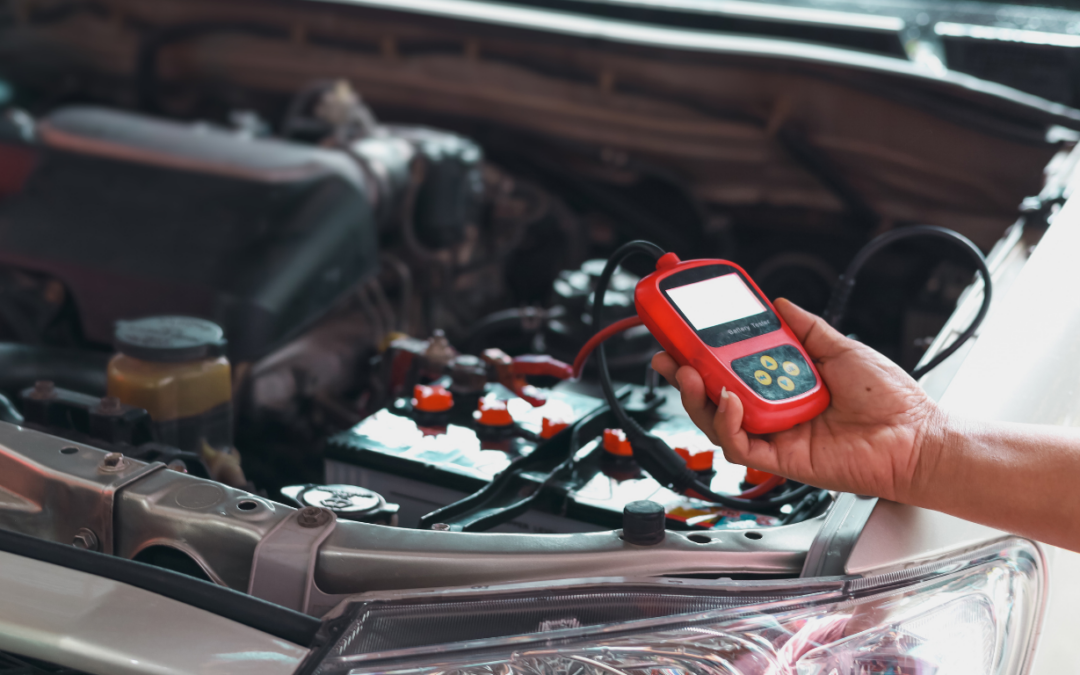
Summer is one of the busiest times of year for UK motorists. Whether you’re heading to the coast for a weekend, visiting family or travelling across the country for a holiday, longer journeys can place additional demands on your vehicle.
For many drivers, the journey itself is the last thing they think about when planning a holiday. Accommodation gets booked, luggage gets packed and routes are planned, but the condition of the car can easily be overlooked.
Unfortunately, small mechanical problems that go unnoticed during everyday driving can become much more noticeable on longer journeys, particularly when the vehicle is carrying extra passengers and luggage. We believe a little preparation can make a significant difference. Here are seven important checks to consider before setting off.
Check your tyres before a long journey
Tyres are the only part of your vehicle in direct contact with the road, making their condition essential for safe driving.
Before travelling, inspect all four tyres for visible damage, uneven wear or objects embedded in the tread. The legal minimum tread depth for most passenger cars in the UK is 1.6mm across the central three-quarters of the tyre, around its entire circumference.
However, tyres approaching the legal minimum may provide less effective grip in wet conditions, so replacement before reaching that limit is worth considering.
Tyre pressures should also be checked when the tyres are cold. Remember that manufacturers may recommend different pressures when carrying additional passengers or luggage.
Don’t ignore your brakes
A heavily loaded vehicle travelling on unfamiliar roads places additional demands on its braking system. If you’ve noticed squealing, grinding, vibration when braking or a change in how the brake pedal feels, arrange an inspection before your journey.
Brake pads and discs gradually wear through normal use, and problems aren’t always obvious until braking performance is affected. Driving through hilly areas or repeatedly braking in heavy holiday traffic can place further demands on components that are already worn. A professional brake inspection can identify concerns before they develop into more serious problems.
Make sure your air conditioning works
A working air conditioning system makes summer journeys more comfortable, particularly during long periods of slow-moving traffic. If your air conditioning takes longer than usual to cool the cabin, produces unpleasant smells or struggles to maintain a comfortable temperature, it may need attention.
Reduced cooling performance can result from several issues, including low refrigerant levels, leaks or problems with system components. Rather than repeatedly topping up the refrigerant, it’s important to identify why the system isn’t performing correctly. Boarhunt’s garage in Fareham offers air conditioning services, including re-gassing, alongside general vehicle maintenance.
Check your oil and other fluid levels
Long journeys can expose problems that aren’t immediately noticeable during shorter trips. Before leaving, check your engine oil level according to the manufacturer’s instructions. Low oil levels can increase engine wear and potentially lead to serious damage.
It’s also worth checking coolant and screenwash levels, particularly if you’ll be travelling on motorways where insects, dust and road spray can quickly affect visibility. Never remove a coolant expansion tank cap while the engine is hot, as the pressurised system can cause serious burns. If you notice fluid levels dropping repeatedly, arrange an inspection rather than simply topping them up.
Inspect your windscreen wipers and lights
Although summer is associated with sunshine, British weather can change quickly. Sudden downpours, bright sunlight and evening driving can all make visibility more challenging, especially when travelling on unfamiliar roads. Windscreen wipers should clear water effectively without leaving streaks or making excessive noise.
If the blades are damaged or no longer working properly, replacing them is usually straightforward. Check that headlights, brake lights, indicators and other exterior lights operate correctly. A clean windscreen is also important, as dirt and smears can become particularly distracting when driving towards low sunlight.
Consider the extra weight you’re carrying
Holiday luggage, passengers, roof boxes and bicycles can significantly increase the weight of a vehicle. Every car has a maximum permitted weight, and exceeding it can affect braking, handling and tyre performance. Check your vehicle handbook for loading limits and ensure luggage is properly secured.
Heavy items should generally be positioned low down and secured to prevent movement. If you’re using a roof box or bicycle carrier, make sure it’s correctly fitted and doesn’t exceed the manufacturer’s limits. Extra weight can also affect fuel consumption or electric vehicle range, so allow for this when planning stops.
Book a vehicle health check before you leave
Even when a car appears to be running normally, a professional inspection can reveal issues that aren’t obvious during everyday driving. A vehicle health check may identify worn tyres, brake concerns, fluid leaks or other developing problems that could interrupt your journey.
It’s particularly worthwhile if your car hasn’t been serviced recently or you’re planning to travel a considerable distance. At Boarhunt Garage and Recovery Services, our Fareham workshop offers vehicle health checks, servicing, MOT testing and repairs for a wide range of vehicles.
Start your summer journey with confidence
Nobody wants to spend the first day of their holiday waiting for roadside assistance. While no amount of preparation can eliminate every possibility of a breakdown, checking your vehicle before travelling can reduce avoidable risks. If you’re planning a summer road trip from Portsmouth, Fareham or the surrounding Hampshire area, our garage team can help you prepare.
Contact our team on info@boarhunt.co.uk to enquire about a vehicle health check or book an appointment before your next journey.