
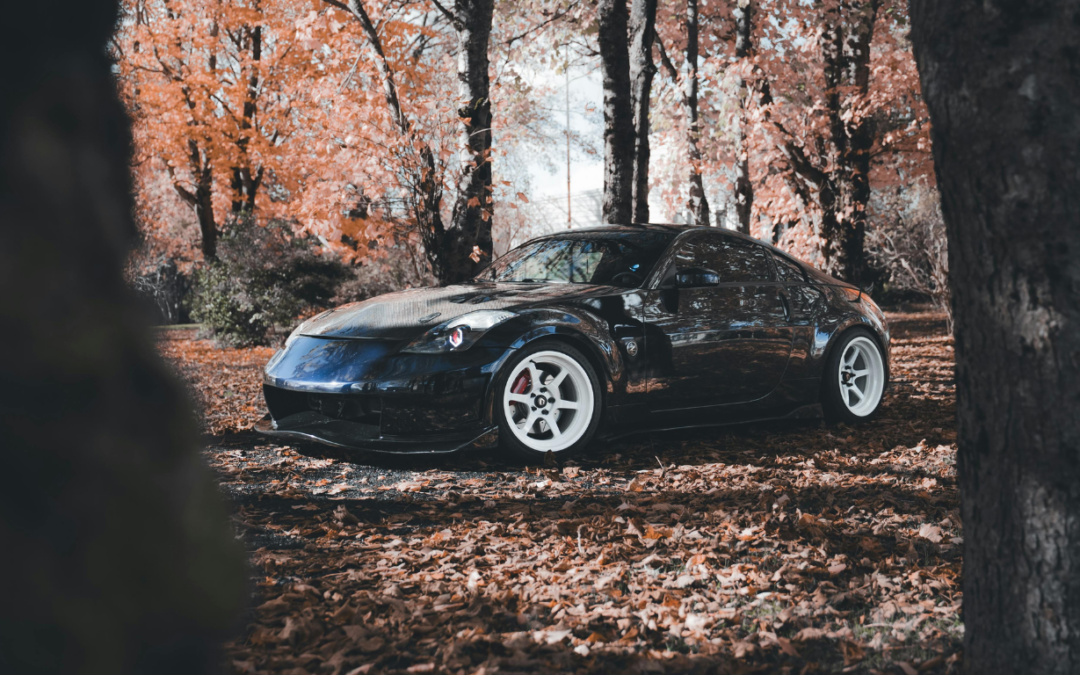
As summer comes to an end, driving conditions across Hampshire begin to change. Darker mornings, falling leaves, heavier rainfall and reduced visibility can make everyday journeys more challenging, particularly for drivers commuting through Portsmouth, Fareham and the surrounding areas.
While autumn weather may seem relatively mild compared with winter, the transition between seasons can expose problems with a vehicle that have gone unnoticed during the warmer months. Worn tyres, ageing windscreen wipers and brakes that aren’t performing as they should can all become more noticeable when roads are wet and visibility is poor.
We know how important regular vehicle maintenance is for keeping motorists safe throughout the year. Understanding what to look out for during autumn can help prevent avoidable problems and make driving in changing conditions more manageable.
Why Autumn roads can be more dangerous than they look
One of the biggest challenges during autumn is the changing condition of the road surface. Rainwater can mix with oil, dirt and other deposits that have accumulated during dry weather, reducing the amount of grip available to tyres. Fallen leaves create another potential hazard.
When wet, they can form a slippery layer over the road, particularly on bends, near junctions and along tree-lined routes. Leaves can also hide potholes, standing water and road markings, making it harder for drivers to assess the surface ahead. The combination of shorter daylight hours and unpredictable weather means motorists should allow more time for journeys and adjust their driving to suit the conditions.
Your tyres matter more than you think
Tyres play a crucial role in maintaining control of a vehicle, especially on wet roads. Their tread patterns are designed to disperse water and maintain contact with the road surface. As the tread wears down, the tyre’s ability to clear water becomes less effective, increasing the risk of aquaplaning. Aquaplaning occurs when a layer of water builds up between the tyres and the road, causing a temporary loss of grip.
Although the UK legal minimum tread depth for most passenger cars is 1.6mm, tyres with more tread generally perform better in wet conditions. Autumn is a sensible time to inspect your tyres for uneven wear, damage and correct inflation. If your vehicle pulls to one side or you notice unusual tyre wear, wheel alignment or suspension problems may need investigating. Boarhunt’s Fareham garage provides tyre services and laser wheel alignment to help identify and address these issues.
How wet weather affects your braking distance
Braking performance is particularly important when roads become slippery. According to the Highway Code, stopping distances on wet roads can be at least twice those required in dry conditions. This makes maintaining a safe distance from the vehicle ahead especially important.
Worn brake pads, damaged discs or problems within the braking system can further affect how a vehicle responds when the brakes are applied. Warning signs may include grinding noises, vibration through the steering wheel or brake pedal, or a noticeable change in braking performance.
These symptoms shouldn’t be ignored, regardless of the season. A professional brake inspection can identify worn components and help ensure your vehicle is prepared for changing road conditions.
Windscreen wipers and visibility: Small parts, big difference
Windscreen wipers are easy to overlook until they’re needed during heavy rainfall. Over time, the rubber blades can become worn, cracked or hardened, reducing their ability to clear water effectively. If your wipers leave streaks, judder across the windscreen or struggle to remove rain, they may need replacing.
Autumn is also a good time to check your windscreen washer fluid and ensure the washer jets are working correctly. Falling leaves and road dirt can quickly make a windscreen dirty, particularly during motorway journeys or when driving behind larger vehicles. Keeping your windows clean, both inside and outside, can also reduce glare from headlights and low autumn sunlight.
Don’t forget your vehicle’s lights
As daylight hours become shorter, drivers rely more heavily on their vehicle’s lighting systems. Headlights, brake lights, indicators and rear lights should all be checked regularly to ensure they’re working correctly. Dirty or damaged headlight lenses can reduce visibility, while faulty brake lights make it harder for other motorists to recognise when you’re slowing down.
It’s also worth checking that your headlights are correctly aligned, particularly if other drivers frequently flash their lights at you. Modern vehicles may display warning messages when a bulb or lighting system develops a fault, but a physical inspection is still worthwhile.
Why Autumn is a good time for a vehicle health check
Many vehicle problems develop gradually rather than appearing suddenly. A small fluid leak, worn brake component or damaged tyre may not cause obvious symptoms during normal driving, but changing weather conditions can make the consequences more serious.
Booking a vehicle health check before winter arrives provides an opportunity to identify potential issues early. Our experienced garage team offers servicing, repairs, MOT testing and vehicle health checks for cars and commercial vehicles.
Keep your vehicle ready for the road
Autumn driving doesn’t need to be stressful. Taking time to check your tyres, brakes, wipers and lights can make a meaningful difference to your safety and confidence behind the wheel. If you’re concerned about your vehicle’s condition or would like a professional inspection before the colder months, Boarhunt Garage and Recovery Services is here to help.
Based in Fareham and serving motorists across Portsmouth and Hampshire, our garage provides practical maintenance and repair services to help keep your vehicle roadworthy.